Permanent Collection

The Museum
of Almost

Some things almost happen. They slip through our fingers, get left behind, or simply never find their moment. This is a home for those near-misses β€” real stories about what almost was.

rescued from a trash can, 1957

Open alwaysAdmission freeFour wings of near-loss
β€œThe stories that never quite happened are sometimes the ones that stay with us longest.”
Wing A

Literature

Books that nearly vanished β€” pulled from snowbanks, rescued from dusty drawers, or abandoned by their own writers. Each one found its way back, just in time.

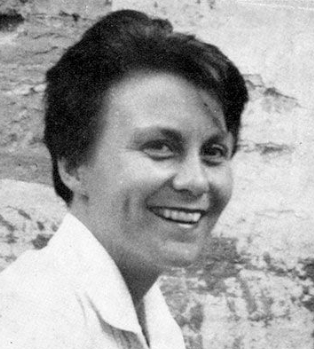
Harper Lee
Harper Lee
author
MoA / L-003
Rescued from snow β˜… Curator's Pick

To Kill a Mockingbird

1957 Β· originally "Go Set a Watchman"

After grueling revisions, Lee threw the manuscript out her window into the snow. Her editor persuaded her to retrieve it.

nearly lost forever β€” rescued at the last moment
The moment of almost-loss

Harper Lee was 31 when she took her first draft to publishers. Editor Tay Hohoff pushed her through revision after revision. One winter night, frustrated, Lee tossed the entire manuscript out her window. It landed in the snow. She called Hohoff in tears, ready to give up, but Hohoff persuaded her to retrieve the pages.

The turning point

Lee rescued the draft, continued revising, and the book was published as "To Kill a Mockingbird." It went on to win the Pulitzer Prize and become one of the most beloved novels in American literature.

Why it almost stopped

Exhaustion and frustration with the revision process nearly destroyed the manuscript.
John Kennedy Toole
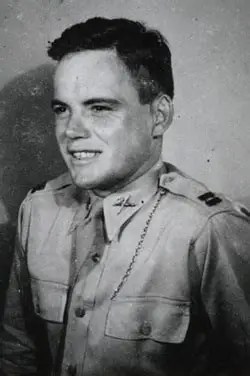
John Kennedy Toole
author
MoA / L-007
Posthumous Pulitzer

A Confederacy of Dunces

1969 Β· abandoned on a dresser

After years of rejection, Toole gave up on his manuscript. It sat neglected until his mother found a publisher a decade later.

rejected repeatedly β€” then forgotten for a decade
The moment of almost-loss

After many years of attempting to publish his manuscript and many revisions, John Kennedy Toole gave it up as a failure. It remained neglected on top of his dresser with the rejection notices it had accumulated. Toole took his own life in 1969.

The turning point

His mother spent a decade searching for a publisher. She finally found one β€” LSU Press, which received an NEA grant to publish it. Released in 1980, it sold over 50,000 copies in its first year and won the Pulitzer Prize for Fiction in 1981.

Why it almost stopped

Rejection and despair; the author never saw its success.

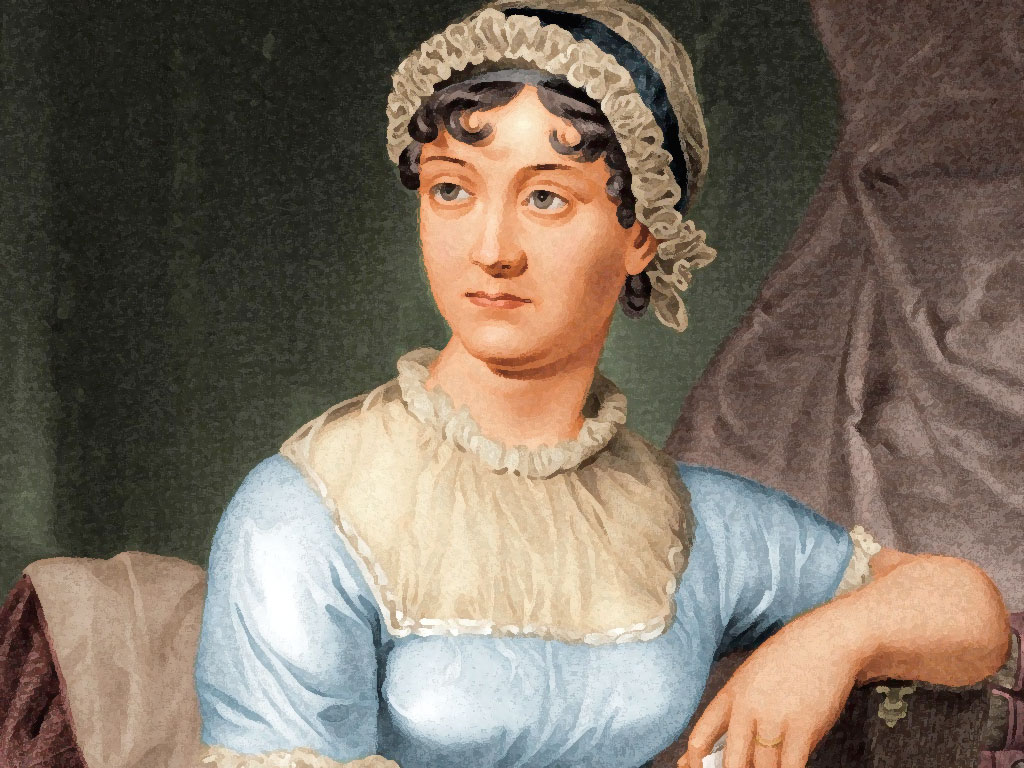
Jane Austen
Jane Austen
author
MoA / L-011
Unfinished

The Watsons

1805 Β· abandoned after her father's death

Austen stopped writing this novel when her own father died β€” the plot mirrored her life too closely.

fragment β€” 12 pages missing, sold for war relief
The moment of almost-loss

Austen wrote The Watsons after completing Northanger Abbey. The novel tells the story of four sisters, daughters of a widowed clergyman, trying to marry well. She stopped when her own father β€” also a clergyman β€” died in 1805. The situation she was writing about β€” being financially dependent on male relations β€” was about to happen to her.

The turning point

The manuscript survived, though the first 12 pages were sold during WWI for Red Cross funds and are now in New York. The remaining fragment sold at Sotheby's in 2011 for nearly Β£1 million and now resides at Oxford's Bodleian Library.

Why it stopped

Her father's death made the story too painful to continue.

Wing B

Inventions

Ideas that were too strange, too early, or just too ambitious. These inventors built things that worked β€” but the world wasn't ready to believe in them yet.

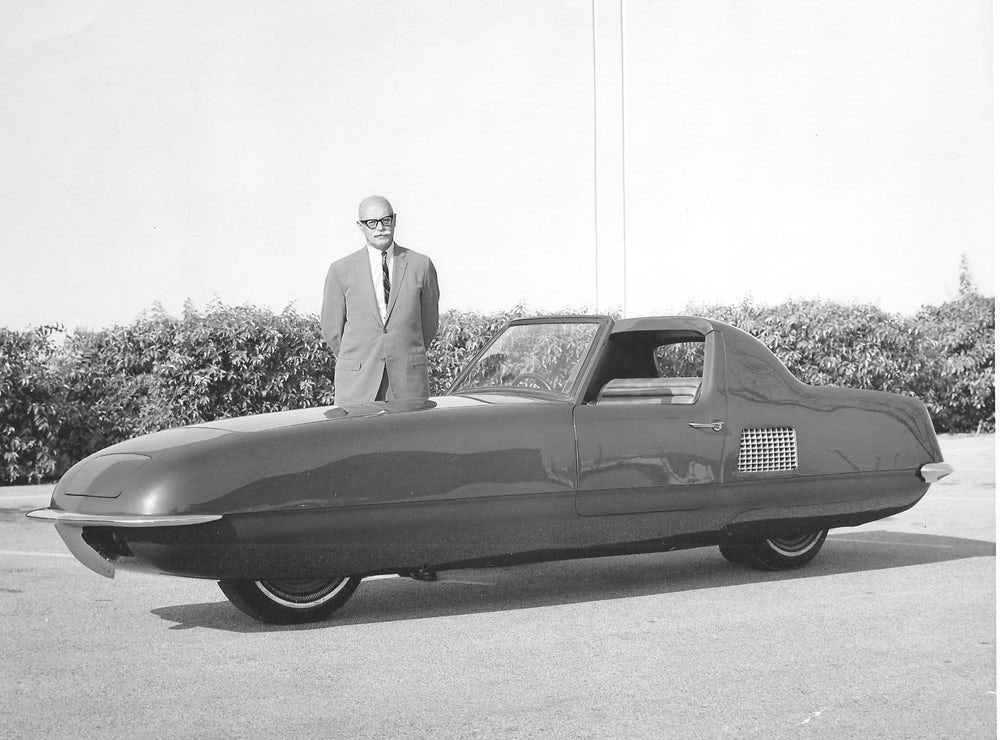
Gyro-X prototype
Gyro-X
1967 prototype
MoA / I-005
Prototype only

Gyro-X

Alex Tremulis Β· 1967

A two-wheeled, gyroscopically balanced car that worked β€” but the company failed after building just one prototype.

$750,000 company β€” one working prototype
The moment of almost-loss

Tremulis, a designer for Cord, Tucker, and Ford, later explored a two-wheeled gyroscopically balanced car β€” a design that would reduce fuel consumption and alleviate congestion. The company, Gyro Transport Systems Inc., spent $750,000 building one prototype. The company failed and the car disappeared for decades.

The turning point

The prototype re-emerged and was bought by Jeff Lane of the Lane Motor Museum, who restored it and debuted it at Pebble Beach. Though the technology worked, it never found a market.

Why it stopped

The technology worked, but it was "too out there" for the market.

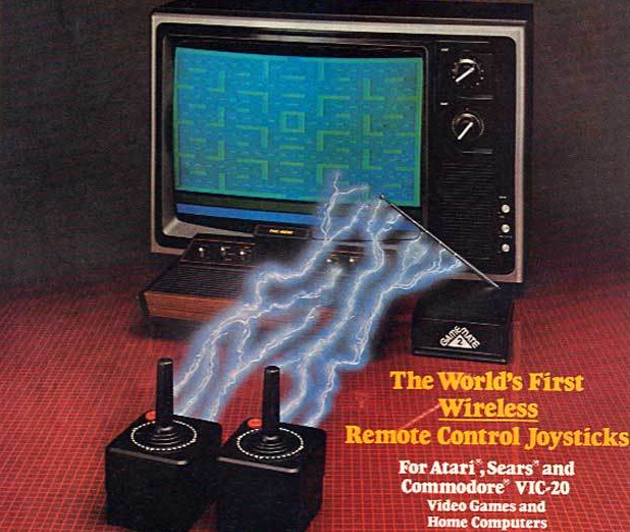
Atari 2700 controller
Atari 2700
wireless prototype
MoA / I-012
Never produced

Atari 2700 Wireless

1981 Β· wireless controllers

A console with wireless controllers β€” decades ahead of its time β€” but the signal interfered with garage doors.

~75 prototypes made β€” ~17 known to exist
The moment of almost-loss

The 1981 Atari 2700 used wireless controllers β€” a development far ahead of its time. But the radio signals could trigger garage-door openers, and Atari couldn't pair controllers to specific consoles, causing interference between nearby systems.

The turning point

The console was never released. About 75 prototypes are believed to have been made, but only 16 or 17 are known to exist today. The case design, however, lived on in future releases.

Why it stopped

Technical limitations β€” wireless interference and pairing issues.

Aeromobile
1930s concept
MoA / I-018
Never produced

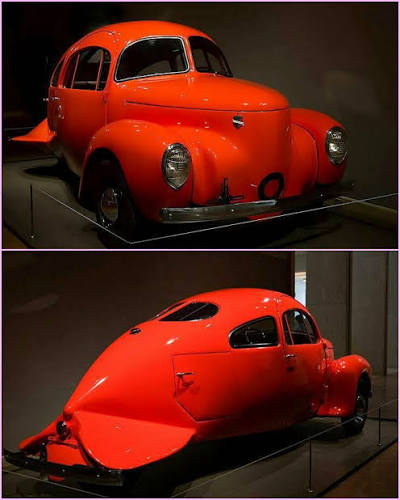
Aeromobile

Paul M. Lewis Β· 1930s

A lightweight, $500 three-wheeler designed during the Great Depression. Lewis drove it 45,000 miles seeking investors.

45,000 miles β€” no investors found
The moment of almost-loss

Engineer Paul M. Lewis designed the Aeromobile in the 1930s β€” a three-wheeled car with two wheels in front and one in back. He built a prototype and drove it over 45,000 miles across the country, searching for investors to produce it at just $500 during the Great Depression.

The turning point

Despite the effort, investors never materialized. The Aeromobile became one of many bold but failed inventions, now remembered as a pioneering example of radical car design.

Why it stopped

Inability to find investors during the Depression.

Wing C

Ventures

Rejection letters, closed doors, and "no" from people who should have said "yes." Some of these stories ended in billions. Others ended in a quiet "what if."

Larry Page and Sergey Brin
Page & Brin
founders
MoA / V-001
Rejected β˜… Curator's Pick

Google

1999 Β· offered to Excite for $750,000

Page and Brin tried to sell Google to Excite for $1 million β€” then $750,000. Excite said no.

rejected at $750,000 β€” now worth $1.6+ trillion
The moment of almost-loss

In 1999, Larry Page and Sergey Brin wanted to sell Google to Excite CEO George Bell for $1 million. Bell talked them down to $750,000 β€” then rejected the offer.

The turning point

Just five months later, the pair raised $25 million. Today, Alphabet Google's market cap exceeds $1.6 trillion.

Why it almost stopped

A CEO who couldn't see the potential β€” one of the most expensive rejections in history.

Ring Doorbell
Ring
smart doorbell
MoA / V-009
Shark Tank reject

Ring Doorbell

2013 Β· rejected on Shark Tank

Siminoff asked for $700,000 on Shark Tank. All the sharks said no. Amazon later bought it for $1.2–1.8 billion.

rejected by all sharks β€” later sold for billions
The moment of almost-loss

The Ring Doorbell began as Doorbot, crowdfunded in 2013. Founder Jamie Siminoff took it to Shark Tank, asking for $700,000. All the sharks rejected him.

The turning point

By 2018, the company had exploded in popularity. Amazon acquired it for between $1.2 and $1.8 billion.

Why it almost stopped

Five sharks couldn't see the future of smart home security.

Melanie Perkins
Melanie Perkins
co-founder
MoA / V-014
Over 100 rejections

Canva

2012 Β· rejected over 100 times

Perkins was rejected by over 100 investors, with a "pretty terrible" first pitch deck. Now valued at ~$24 billion.

100+ rejections β†’ $24 billion valuation
The moment of almost-loss

Canva co-founder Melanie Perkins has been upfront: the business was rejected by prospective investors over 100 times. Their first pitch deck was "pretty terrible."

The turning point

The founders believed in the idea. Ten years later, Canva has raised $572.6 million and has a market cap of around $24 billion.

Why it almost stopped

A terrible first pitch deck and 100+ investors who couldn't see the vision.

Wing D

Dreams

Dreams that didn't quite make it. Not because they weren't good enough β€” but because life, luck, or timing had other plans.

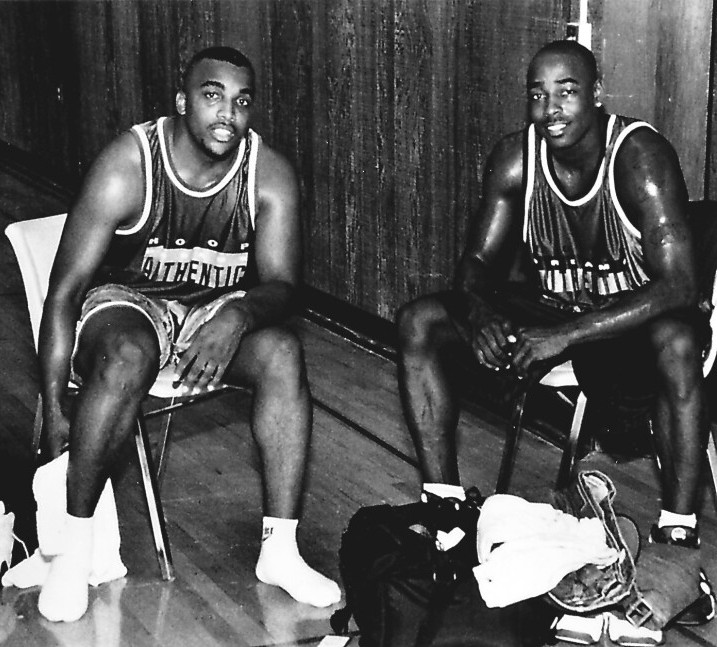
Hoop Dreams film poster
Hoop Dreams
documentary
MoA / D-002
The NBA dream β˜… Curator's Pick

Hoop Dreams

1994 Β· "I always wish we would have made it"

Two Chicago teenagers chased the NBA dream. Neither made it. But their story became one of the greatest documentaries ever made.

"The feeling will never go away" β€” William Gates
The dream

Arthur Agee and William Gates were both talented Chicago basketball players in 1987. Agee was invited to a camp at St. Joseph High School β€” the same school where his idol Isiah Thomas starred. Gates was one of the most promising young players in the city.

What happened

Agee was forced to leave St. Joseph when his family couldn't pay tuition. Gates starred but suffered a bad knee injury that kept him from his full potential. Agee went to junior college; Gates went to Marquette. Neither made the NBA.

After the dream

Gates says: "I always wish that we would have made it. That feeling will never go away." Agee runs a Hoop Dreams clothing line; Gates is a preacher in San Antonio. They host a podcast together and are planning a sequel.

Why it stopped

Injury, finances, and the sheer odds of making the NBA β€” but their impact lived on.

David Lynch
David Lynch
filmmaker
MoA / D-009
Unrealized visions

The Unmade Films of David Lynch

1970s–2024 Β· dozens of projects

From "Ronnie Rocket" to "Snootworld" to a Marilyn Monroe biopic β€” Lynch's unrealized projects are as legendary as his films.

dozens of projects β€” never made
The vision

Lynch conceived dozens of projects that never got made: "Ronnie Rocket" (a detective who enters another dimension), "Snootworld" (an animated feature about tiny creatures), a biopic of Marilyn Monroe (killed by Warner Bros.), a Kafka adaptation, and many more.

What happened

Some were too expensive, some too strange, some simply fell through. "One Saliva Bubble" β€” written with Mark Frost about a chain reaction caused by a saliva bubble β€” was set to star Steve Martin and Martin Short before Dino De Laurentiis' company went bust.

After the dream

Some elements found their way into other works. The Log Lady came from an unrealized interview show concept. But many of these projects remain exactly what they were: visions that almost came to be.

Why it stopped

Budgets, studios, and the limits of a world not quite ready for "wackadoo."

Chris Burden
Chris Burden
artist
MoA / D-014
60+ unrealized works

Poetic Practical

1970s–2015 Β· over 60 unrealized projects

Burden planned to convert a WWII destroyer into a sail ship, hang a fishing boat on a museum, and put a Sputnik replica into orbit. None happened.

60+ ambitious projects β€” budgets, logistics, bureaucracies
The vision

Chris Burden, known for extreme performances and intricate installations, planned over 60 works that never came to be. They included converting a WWII British destroyer into a ship with sails, hanging a fishing boat on the side of the Seattle Art Museum, and putting a Sputnik satellite replica into orbit.

What happened

The destroyer plan was blocked by price and preservation issues. The fishing boat met "vehement objections" from the museum's architect. The Sputnik launch was stymied by the complexity of a rocket launch.

After the dream

A book, "Poetic Practical," documents these unrealized works, honoring "the amount of time, mind space, energy, efforts and brains that went into attempting to make these unrealized projects." The book offers a moving history of his life and the research behind his art.

Why it stopped

Budgets, logistics, and the resistance of the world to the impossible.

Exhibit Timeline

When Almost Happened

From Austen's abandoned pages to Ring's billion-dollar rejection β€” here's when almost happened.

1805
Austen
The Watsons
1930s
Aeromobile
1957
Lee
Mockingbird
1967
Gyro-X
1969
Toole
Confederacy
1981
Atari 2700
1994
Hoop Dreams
1999
Google
rejected
2012
Canva
100Γ— rejected
2013
Ring
Shark Tank
World Map

Where Almost Happened

Each pin marks where an almost-story began. Click one to explore.

Click any pin to explore
Literature Inventions Ventures Dreams
Add Your Story

Submit an "Almost"

Got a story that never quite landed? Something you almost did, almost built, almost became? Share it here β€” and let it live on in the museum.

πŸ–ΌοΈ
Click or drag an image here
PNG, JPG, GIF up to 5MB
Preview

✨ Thank you β€” your story is now in our hands. We'll look it over and, if it fits, add it to the museum.

Every almost deserves a place to land.

Zoomed portrait
Dark